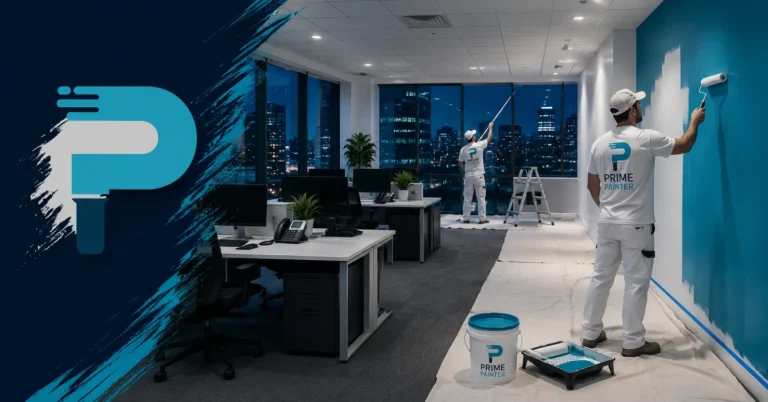
Repainting a commercial facility or retail space involves complexities that extend far beyond standard residential applications. For business owners and facility managers, the primary concern is not just the final aesthetic but the logistical disruption to daily operations. Closing a building for maintenance translates directly to lost revenue and reduced productivity. Executing a large-scale commercial upgrade requires a contractor who prioritizes strict scheduling, rapid-curing coatings, and systematic project management to ensure the business remains fully operational throughout the process.
Strategic Scheduling and Phased Execution
A successful commercial paint job relies entirely on micromanagement of the site. Professional contractors do not simply arrive and close off the entire floor. Instead, the project is broken down into strategic, phased sections.
By isolating specific corridors or departments, the rest of the facility can function normally. Furthermore, experienced commercial painting teams frequently utilize after-hours scheduling, weekend shifts, and overnight execution. This ensures that heavy preparation work, such as mechanical sanding and scaffolding erection, occurs when foot traffic is at its absolute lowest, effectively rendering the maintenance process invisible to your customers and staff.
The Chemical Advantage of Low-VOC Coatings
One of the most significant historical disruptions of indoor painting was the strong, lingering odor of curing paint. These fumes are caused by volatile organic compounds (VOCs) evaporating into the air. In a sealed office or retail environment, VOC off-gassing can trigger headaches, nausea, and allergic reactions, forcing the area to be evacuated for days.
Modern commercial logistics demand the strict use of low-VOC or zero-VOC architectural coatings. These advanced acrylics possess little to no odor and cure rapidly. This allows employees to immediately reoccupy a freshly painted office the very next morning without any health risks or unpleasant smells disrupting their workflow.
WHS Compliance and Risk Mitigation
Operating within an active commercial environment introduces strict legal and safety liabilities. Heavy ladders, drop sheets, and power tools present immediate trip hazards to the public.
A specialized commercial contractor operates under rigorous Work Health and Safety (WHS) frameworks. This includes developing comprehensive Safe Work Method Statements (SWMS), utilizing proper physical barricades, and ensuring high-visibility signage is deployed before any work commences. Protecting the structural integrity of the building is just as critical as protecting the people moving through it.
High-Traffic Durability and Scuff Resistance
Commercial walls endure a level of physical abuse that residential homes never experience. Heavy foot traffic, equipment carts, and office chairs constantly scrape against the substrate. Standard wall paints will burnish, chip, and degrade within months under these conditions.
Facility managers must insist on industrial-grade, two-pack epoxies or high-performance scuff-resistant acrylics for heavy transit zones. While these specialized coatings require precise mixing and application techniques, they cure into a hardened, highly washable shell that drastically extends the maintenance lifecycle of the property.



One Response